15 Iron Rust Texture Backgrounds
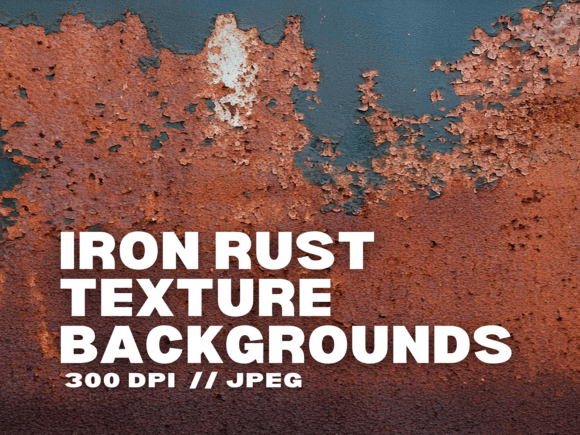
15 Iron Rust Texture Backgrounds is a collection of high-quality images that bring an industrial aesthetic to digital projects. These textures are ideal for adding depth, character, and a sense of history to designs, crafts, and presentations. With their rich, earthy tones and authentic details, they offer a unique visual element that can elevate any creative work.
Whether you're working on a website, social media graphic, or a print project, these backgrounds provide a versatile foundation. Their realistic appearance makes them suitable for both modern and vintage styles, allowing for seamless integration into various design workflows.
What's Included in This Download
The package includes 15 JPG files, each optimized for high-resolution use. These files are designed to maintain clarity and detail across different platforms and applications. The dimensions and file specifications ensure compatibility with most design software, making it easy to incorporate them into your existing projects.
Each texture is carefully crafted to capture the essence of aged iron, with subtle variations in color and texture that add realism. Whether you're looking for a subtle background or a bold statement piece, these textures provide a range of options to suit different needs.
Why Choose Our Iron Rust Textures
One of the key advantages of 15 Iron Rust Texture Backgrounds is their unique aesthetic appeal. The textures are designed to mimic real rust, offering a level of authenticity that is hard to achieve with generic stock images. This attention to detail ensures that your designs stand out with a distinctive, handcrafted feel.
These textures are also highly versatile. They can be used in web design, social media graphics, presentations, and more. Their adaptability allows for creative experimentation, enabling you to explore different visual styles and effects. Whether you're working on a personal project or a professional assignment, these backgrounds can enhance the overall look and feel of your work.
Another benefit is their commercial usability. You can freely use these textures for both personal and commercial projects, giving you the flexibility to apply them in a wide range of contexts. This makes them a valuable asset for designers, marketers, and entrepreneurs who need reliable, high-quality resources.
Creative Use Cases for These Textures
15 Iron Rust Texture Backgrounds can be used in a variety of creative applications. For digital artwork, they serve as a strong base for illustrations, posters, and other visual elements. By layering these textures, you can create complex compositions that add depth and interest to your designs.
They are also excellent for background creation. Websites, social media banners, and presentation slides can all benefit from the industrial charm of these textures. Their ability to convey a sense of age and durability makes them particularly effective for branding and storytelling purposes.
In addition, these textures are ideal for DIY printables. Cards, stationery, and scrapbooks can be enhanced with the rugged, weathered look of rusted iron. This makes them a great choice for hobbyists and crafters looking to add a unique touch to their projects.
For business branding, these textures can be used to create a rustic, authentic feel for business cards, brochures, and logos. They provide a strong visual identity that resonates with audiences who appreciate craftsmanship and tradition.
File Specifications and Practical Considerations
The 15 Iron Rust Texture Backgrounds are available in JPG format, which is widely supported by most design programs. This ensures that you can easily import and manipulate the files without compatibility issues. The high-resolution quality guarantees that your designs remain sharp and clear, even when scaled up for larger formats.
When using these textures, it's important to consider how they interact with other design elements. They work best when paired with contrasting colors or simple layouts that allow the texture to take center stage. Experimenting with opacity and blending modes can help you achieve the desired effect while maintaining visual balance.
Organizing your workflow is also essential. Keeping these textures in a dedicated folder or library can improve efficiency, especially if you use them frequently. This helps streamline your design process and ensures that you can quickly access the right texture for each project.
Integrating 15 Iron Rust Texture Backgrounds into Your Workflow
Before starting a project, consider how 15 Iron Rust Texture Backgrounds can contribute to your overall vision. If you're aiming for an industrial or vintage theme, these textures can serve as a foundational element that guides the rest of your design choices. They can also be used to add texture to specific areas, such as headers, buttons, or backgrounds.
During the design process, you can experiment with different textures to find the one that best matches your style. Testing multiple options can help you identify the most effective combination of colors, contrasts, and layouts. This iterative approach ensures that your final design meets your creative goals.
After completing a project, review how the textures performed in the context of the overall design. Assess whether they enhanced the visual appeal or if adjustments were needed. This evaluation can inform future decisions and help you refine your use of these backgrounds in subsequent projects.
Long-Term Use and Quality Control
As you continue to use 15 Iron Rust Texture Backgrounds, maintaining consistency in your workflow becomes important. Using the same set of textures across multiple projects can help establish a cohesive visual identity, especially for brands or recurring design tasks.
Quality control is also crucial. Ensure that the textures are used in a way that maintains their integrity and does not compromise the overall design. Avoid overuse or improper scaling, which can lead to pixelation or loss of detail. Regularly reviewing your work can help catch any issues early on.
For long-term use, consider backing up your files and keeping them organized. This ensures that you have access to the textures whenever you need them, regardless of changes in software or hardware. It also protects against data loss, which is essential for maintaining the reliability of your design assets.